

An open-source alternative to Claude (32k+ stars)!
Onyx is a self-hostable AI chat platform that works with any LLM, like Claude, GPT, Gemini, Llama, or any open-weight model you want.
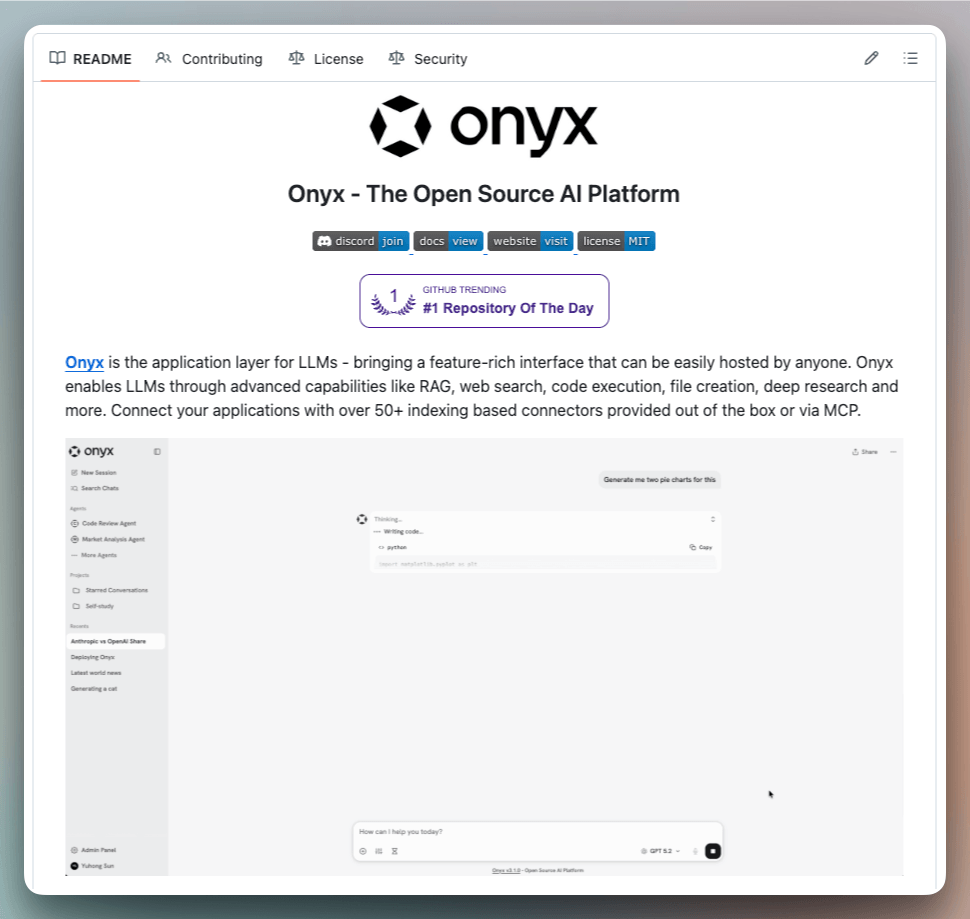
Here’s what it ships with:
Agents that chain multiple tools in sequence
RAG with full indexing across 40+ connectors (Slack, Drive, Confluence, Jira, GitHub, email, call transcripts)
Deep research ranked #1 on DeepResearchBench, above every proprietary alternative
MCP support for connecting to external systems
Code interpreter for data analysis and file generation
Self-host on your own infrastructure via Docker in a few mins
Unlike Claude’s MCP-based connectors that query your tools at runtime, Onyx actually indexes all your data. That means faster, more reliable search across everything your team has ever written.
The entire code is open-source under the MIT license, so you can see the full implementation on GitHub and try it yourself.
Find the GitHub repo here → (don’t forget to star it ⭐️)
Give Claude Code, Codex, and Cursor a self-improving shared memory
Coding agents work in silos.
Your corrections in Cursor don’t carry over to Claude Code, and skills built in Codex don’t automatically transfer to other harnesses.
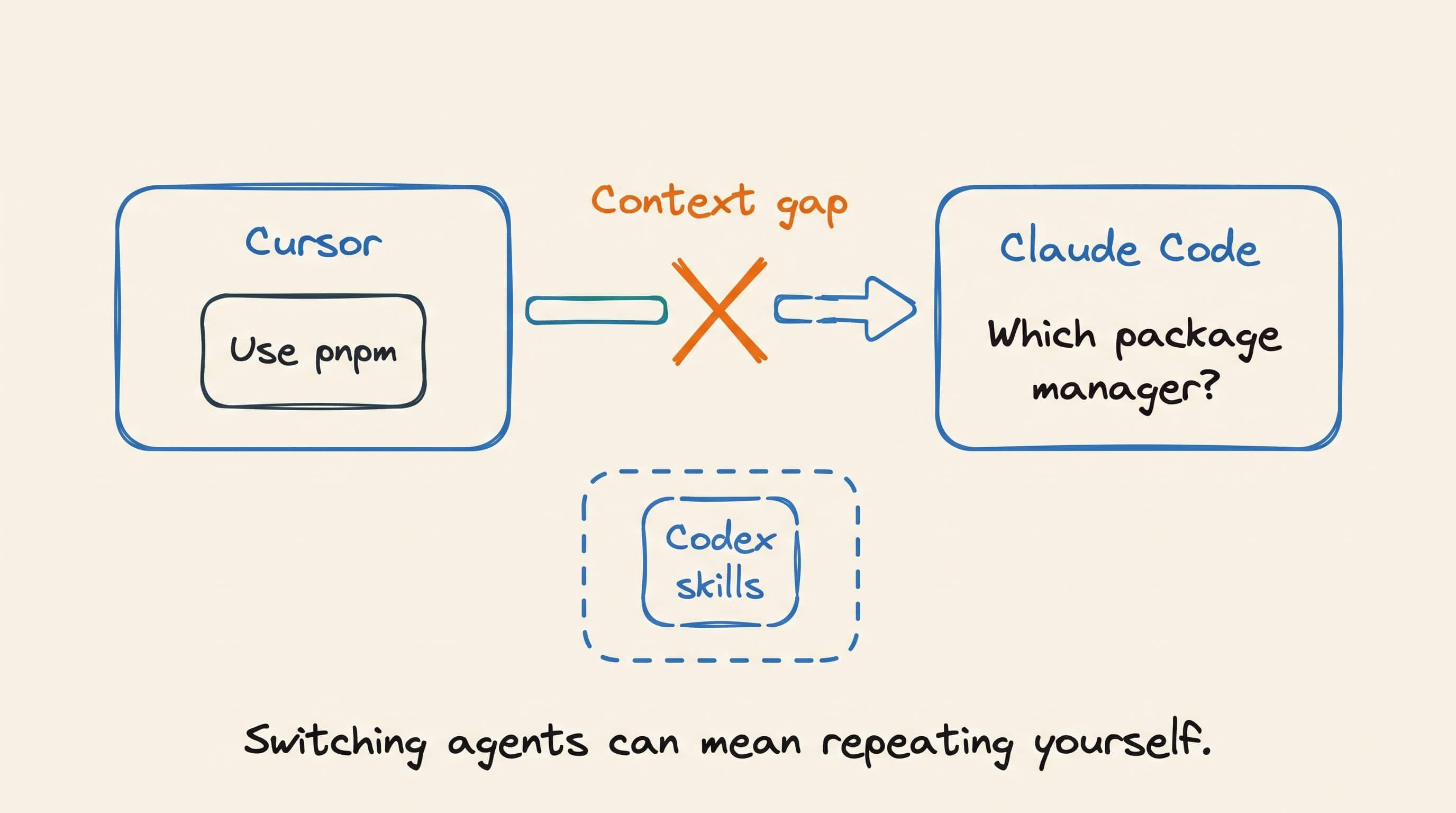
So switching tools often means starting from scratch.
What if every coding agent could learn from everything you’ve already done?
We invited Justin, co-founder of Asymptote Labs, to show us how to make this possible with Beacon, a 100% open-source memory layer for coding agents.
We set it up live, explored real coding sessions, and watched Beacon turn past work into reusable knowledge.
Here’s what we learned:
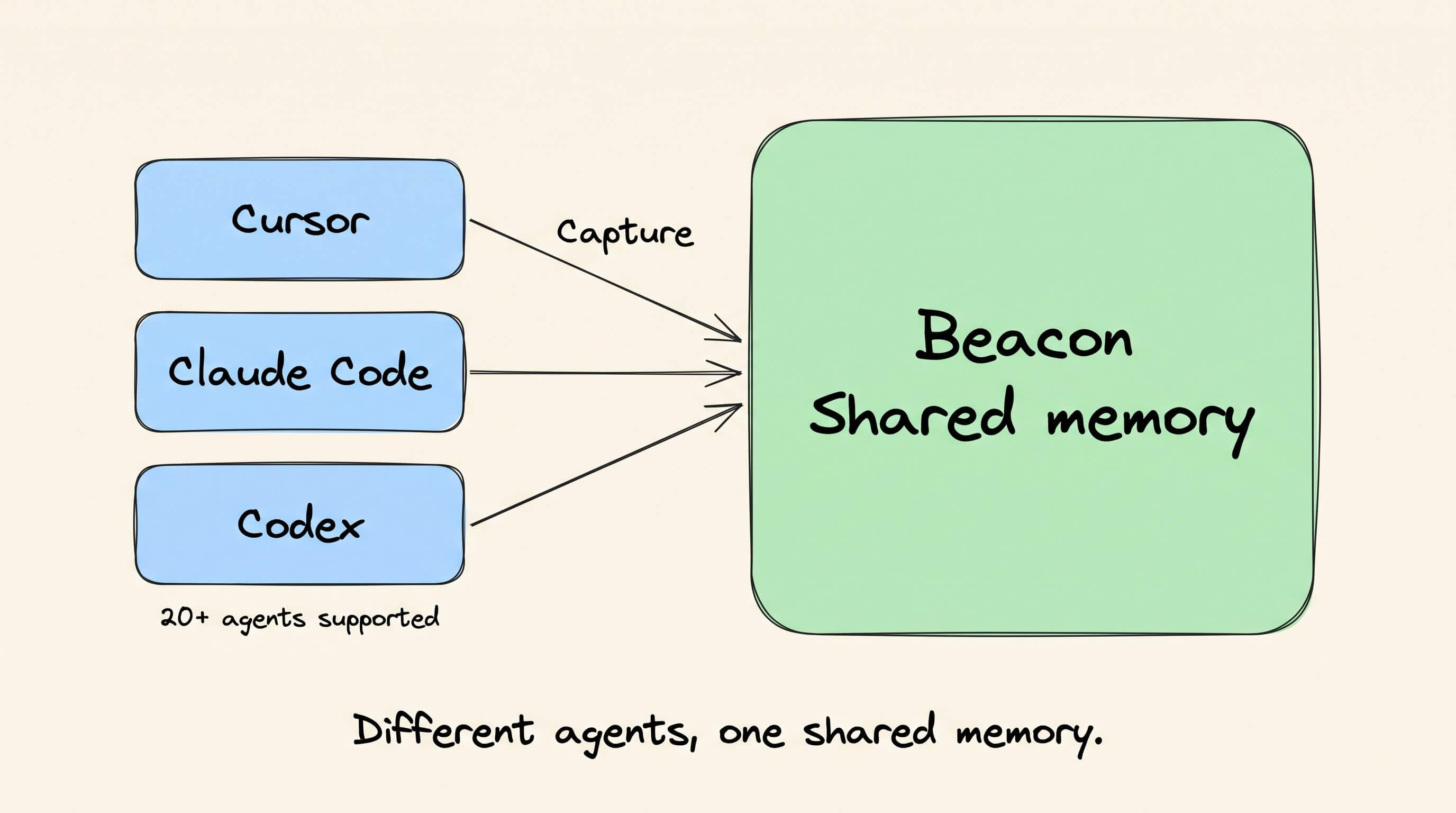
1. One memory layer for 20+ coding agents.
Beacon captures activity across Claude Code, Cursor, Codex, and 20+ harnesses using OpenTelemetry, hooks, and local session files. Everything gets normalized into a single format, regardless of which agent you’re using.
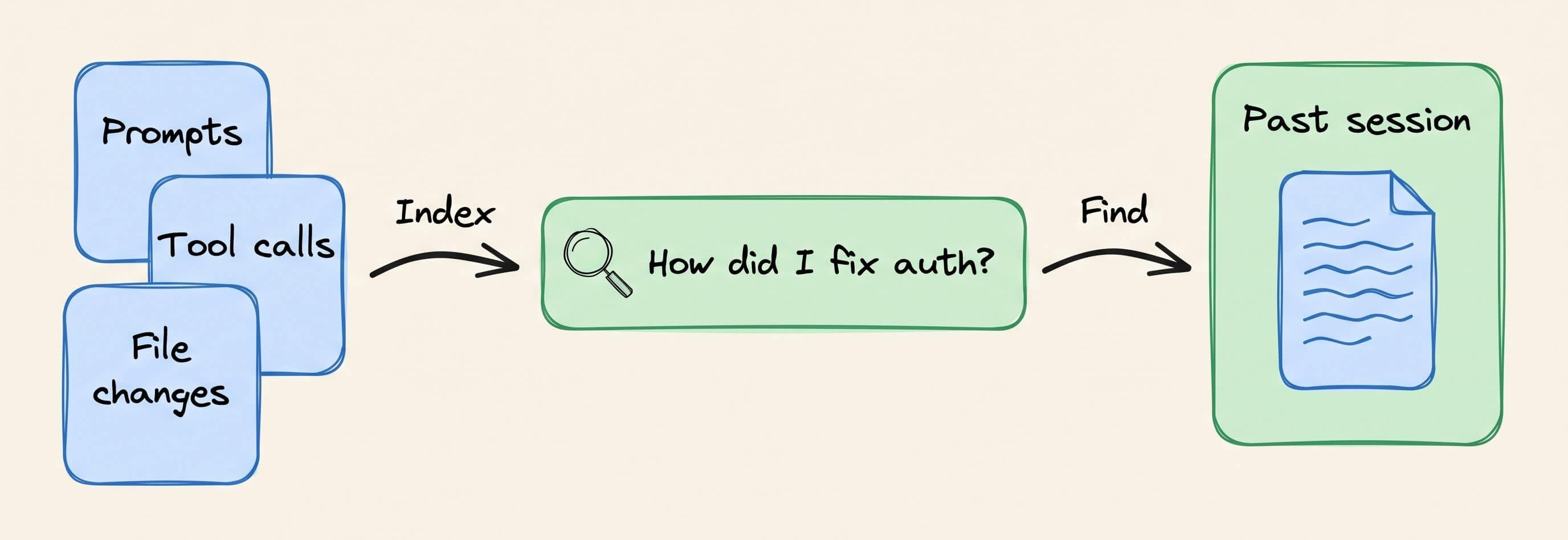
2. Your entire coding history becomes searchable.
Every prompt, tool call, command, file change, and response is captured in a structured trace. Instead of losing valuable context when a session ends, you build a searchable history of everything your agents have done.
3. Switch agents without starting over.
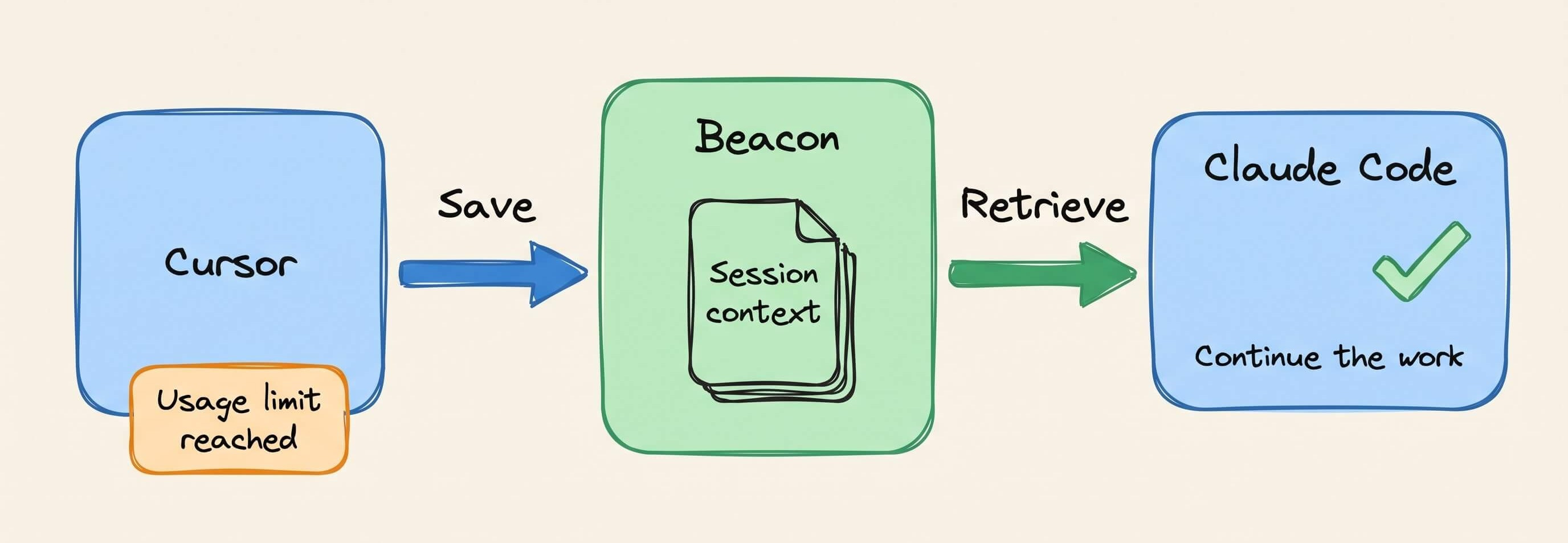
If you hit your usage limit in Cursor, you can simply open Claude Code and ask it to continue your latest Cursor session. Beacon retrieves the relevant context in milliseconds so your next agent can pick up where the last one left off.
4. Your agents learn from your past work.
This is where things get interesting.
Beacon identifies repeated workflows and turns them into reusable skills. In our demo, it discovered a recurring UI development workflow and generated a skill containing the exact dev server commands, screenshot steps, and deployment instructions.
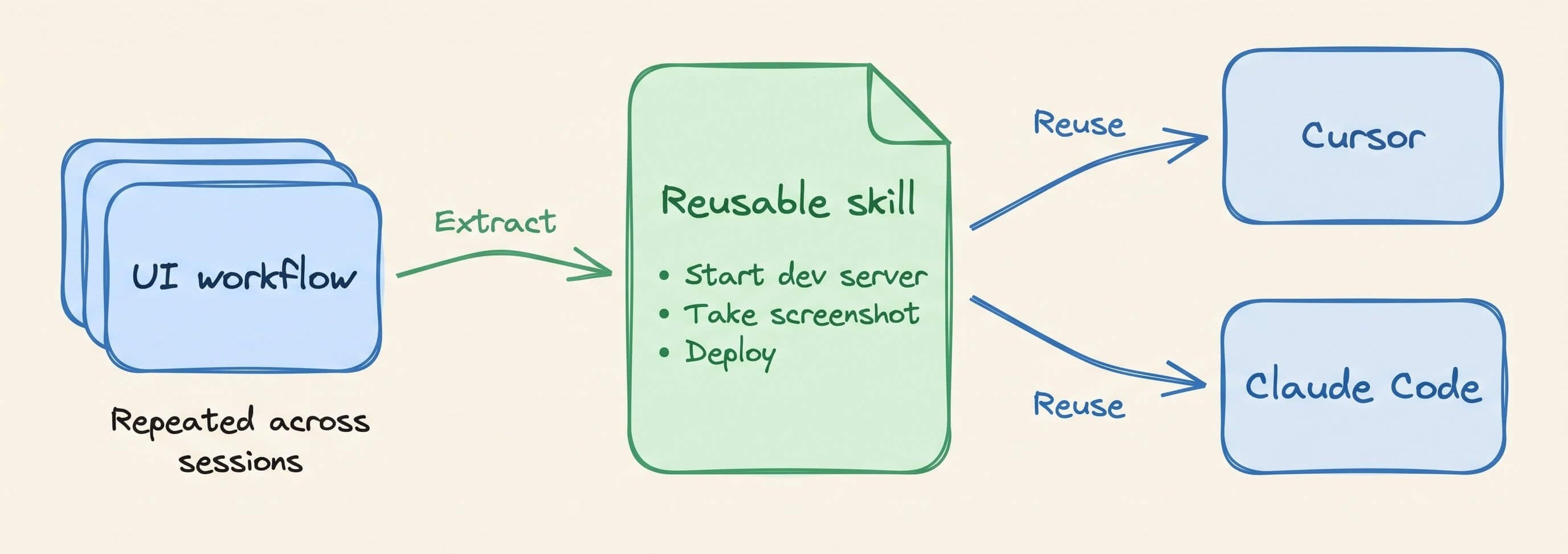
You teach one agent something once. Every other agent can benefit.
5. Stop accumulating skills nobody uses.
Have 100 skills but only use five? Beacon analyzes actual usage across thousands of sessions and identifies skills worth keeping, combining, or removing.
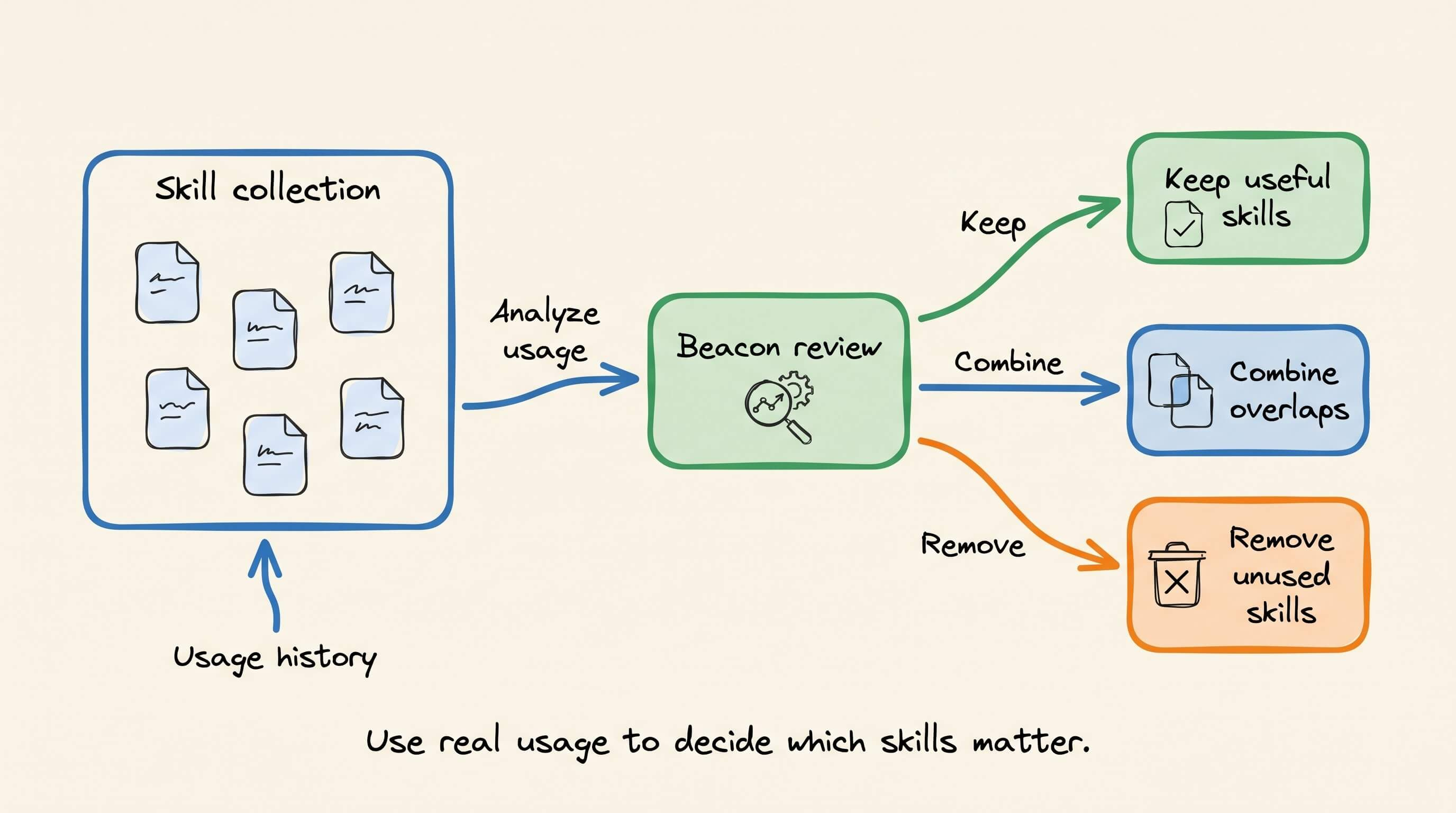
Your agent’s memory gets more useful, not just bigger.
6. Security rules that follow you across every harness.
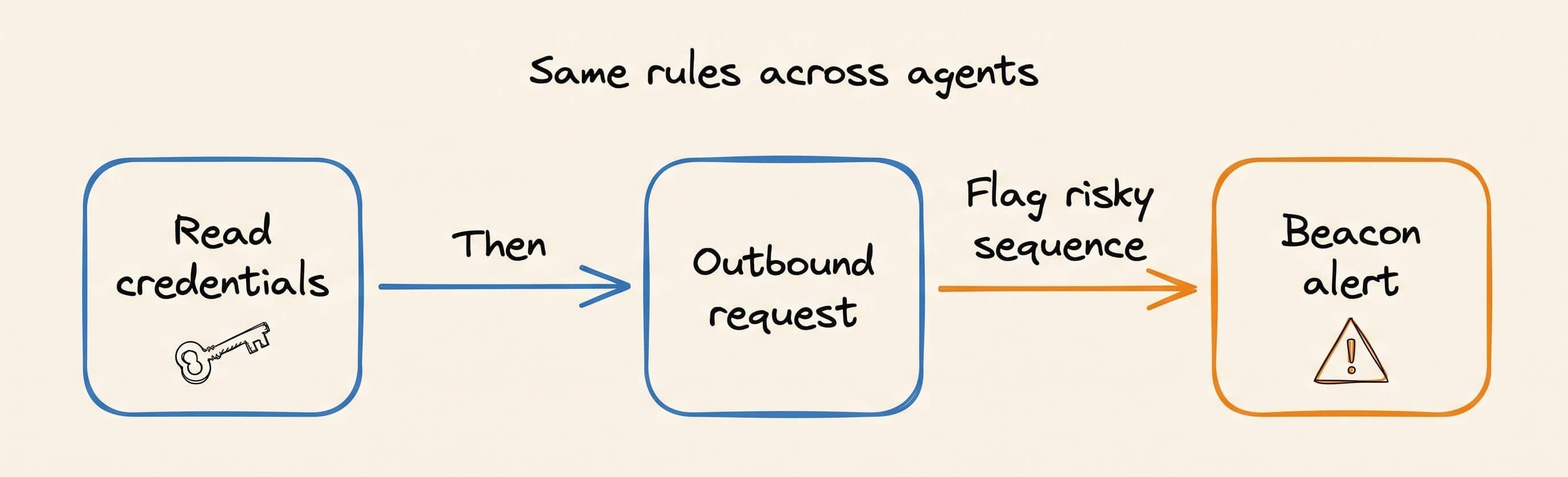
Beacon includes hundreds of detection rules that work across agents. It can identify risky behavior, including sequences where an agent reads sensitive credentials and then makes an outbound network request.
7. It even caught a real credential leak.
While reviewing Justin’s actual Cursor history, Beacon surfaced an incident where part of a production database password had been sent to a model provider.
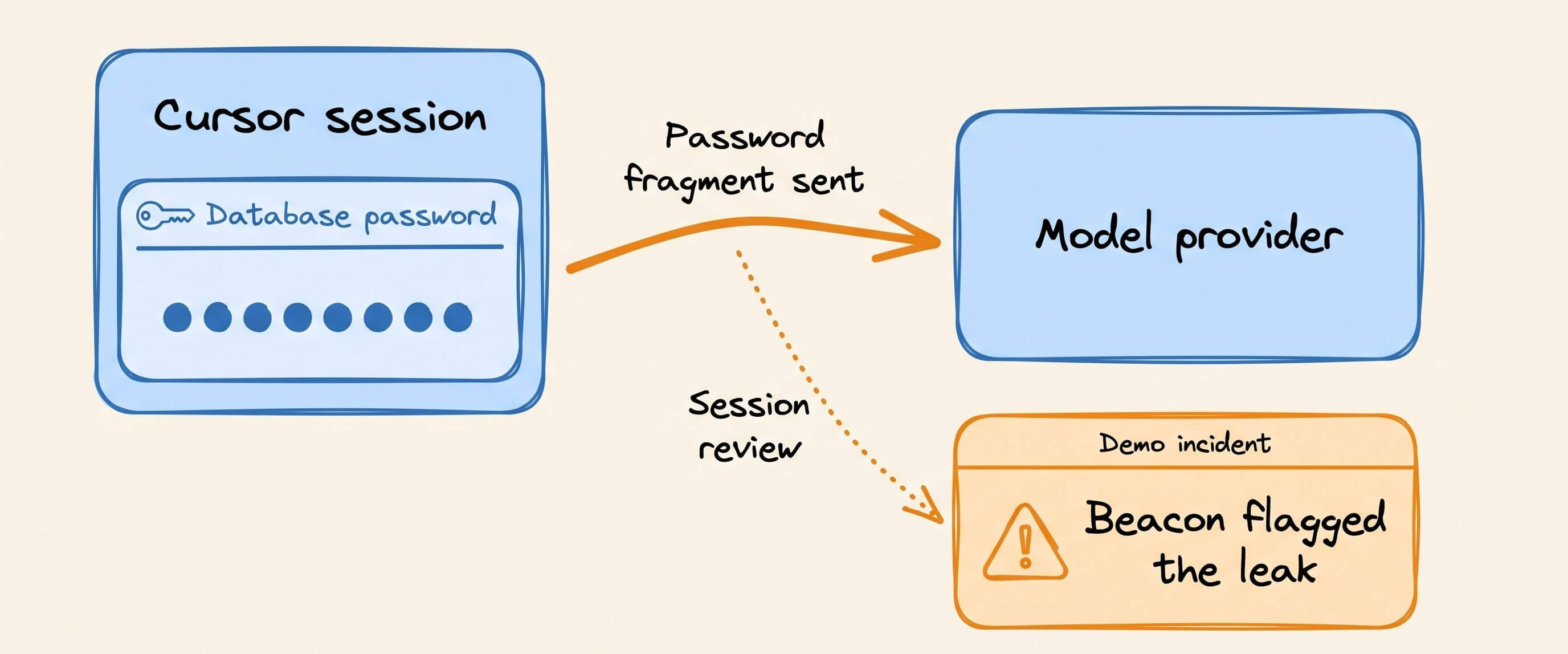
That’s the power of having visibility into what your agents are actually doing.
8. One prompt to get started. Completely open source.
Paste a setup prompt into your coding agent and you’re off. Keep everything local on your machine, or use Beacon Cloud for free.
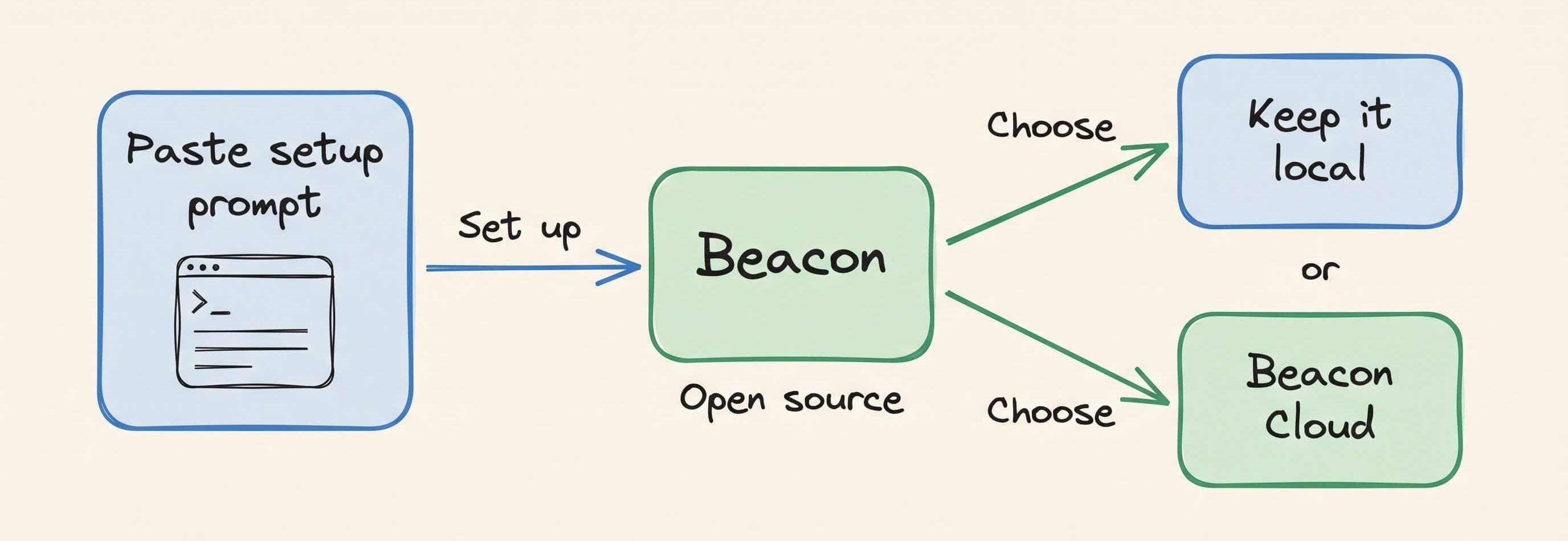
Beacon on GitHub: http://github.com/Asymptote-Labs/agent-beacon
(don’t forget to star 🌟)
Enjoy the episode.
Good day, and thanks to Asymptote Labs for partnering today!