

In today’s newsletter:
Your agent can now do the one thing it always asked you for.
Pages in Grok Bot, clearly explained:
Chat with video using EmbeddingGemma 2 (100% local).
Agents can now do the one thing they always asked you for.
When you ask a coding agent to build an app, it writes the schema, the routes, and the data layer in a few minutes.
Then it needs a database, and everything stops since someone has to open a browser, create an account, set up a user, and paste the connection string back into the session.
Every one of those steps was built for a human, so the agent just sits there waiting for you.
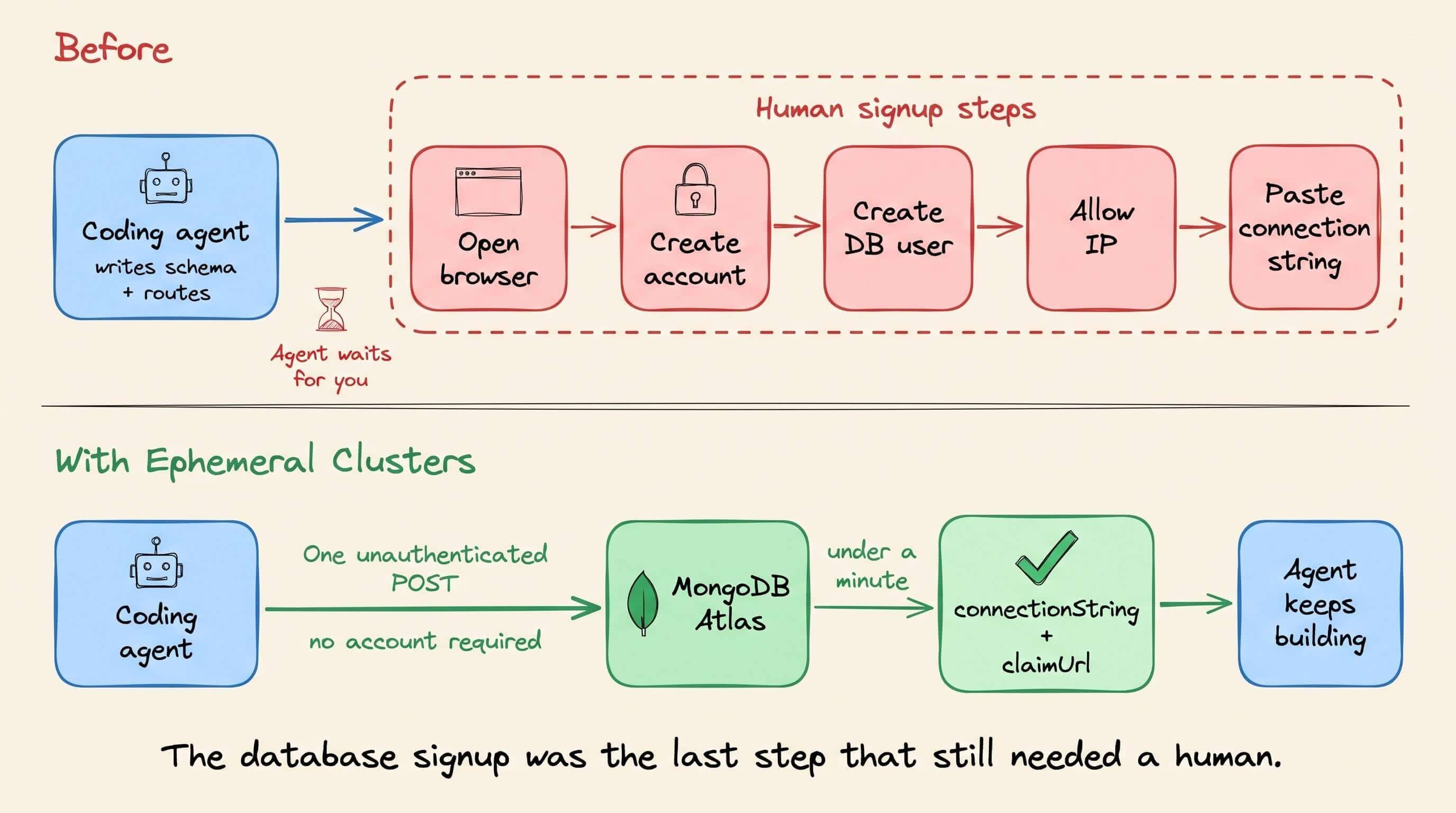
MongoDB just solved that with Atlas Ephemeral Clusters.
Basically, your agent makes one API call with no account or API key, and Atlas returns a live database in under a minute.
The agent saves the connection string and keeps building on a real MongoDB cluster. The video shows this in action:
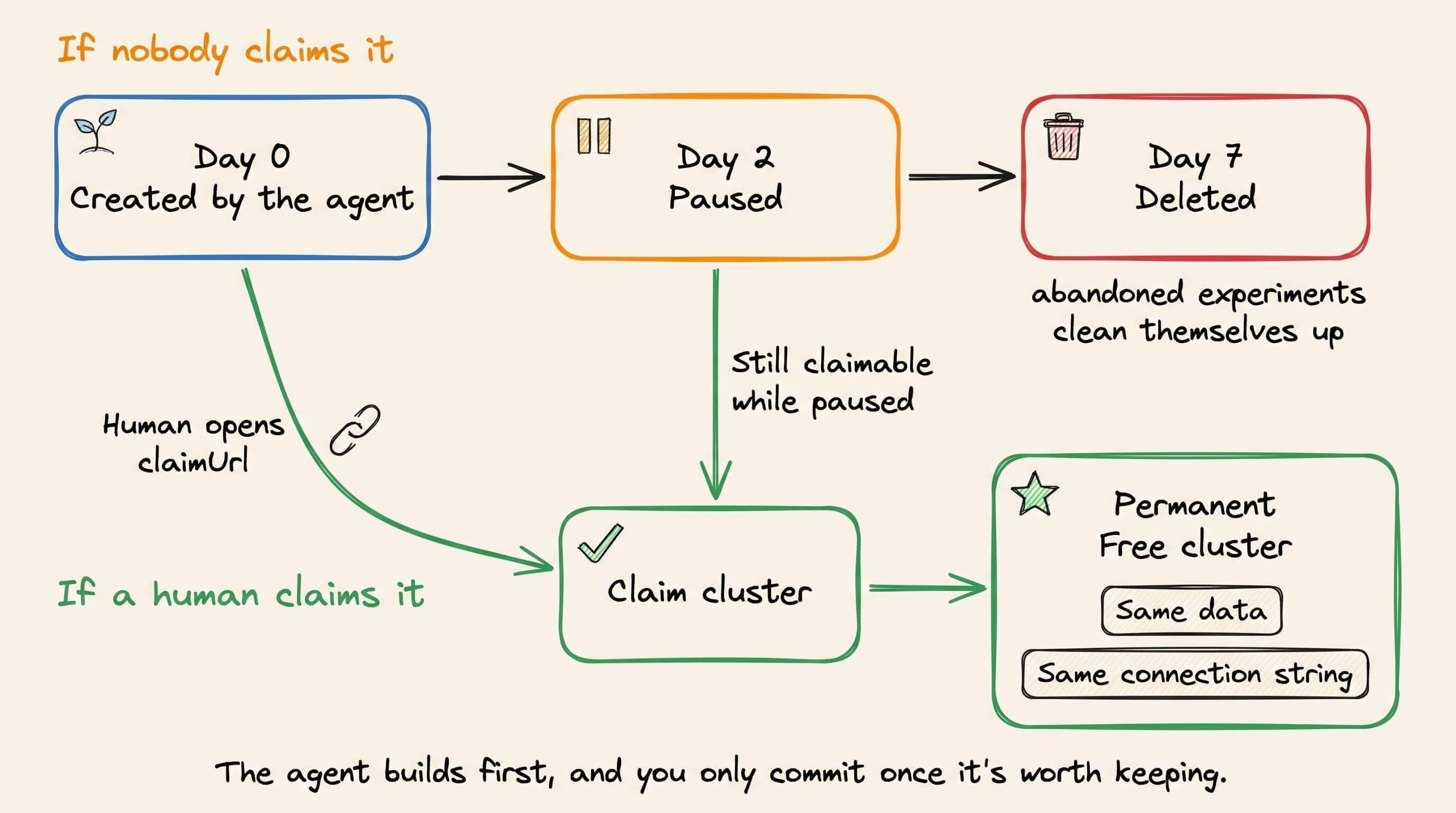
The part we like most is that the agent can create the database and work with the data, but only a human can claim it and take ownership.
If nobody claims it, the cluster pauses after 2 days and deletes itself after 7, so abandoned experiments clean themselves up.
If you claim it, it becomes a permanent free cluster with the same data and the same connection string.
So the agent handles the setup end to end, and you only step in once the project is worth keeping.
It’s in public preview, and the docs walk through the full flow.
You can learn more here: https://www.mongodb.com/docs/atlas/tutorial/create-ephemeral-cluster/
Thanks to MongoDB for partnering today!
Pages in Grok Bot, clearly explained:
Agent work that stays buried in chat is hard to revisit, share, or keep current.
We recorded a short walkthrough of Grok Bot Pages, and three things he built with them.
A Page is a living interactive dashboard that a bot creates for you. It is not a PDF, and it is not a slide deck.
It can hold text, tables, charts, and controls like filters and switches. The bot can edit the same page later, including from a routine, so one link keeps pointing at the latest version.
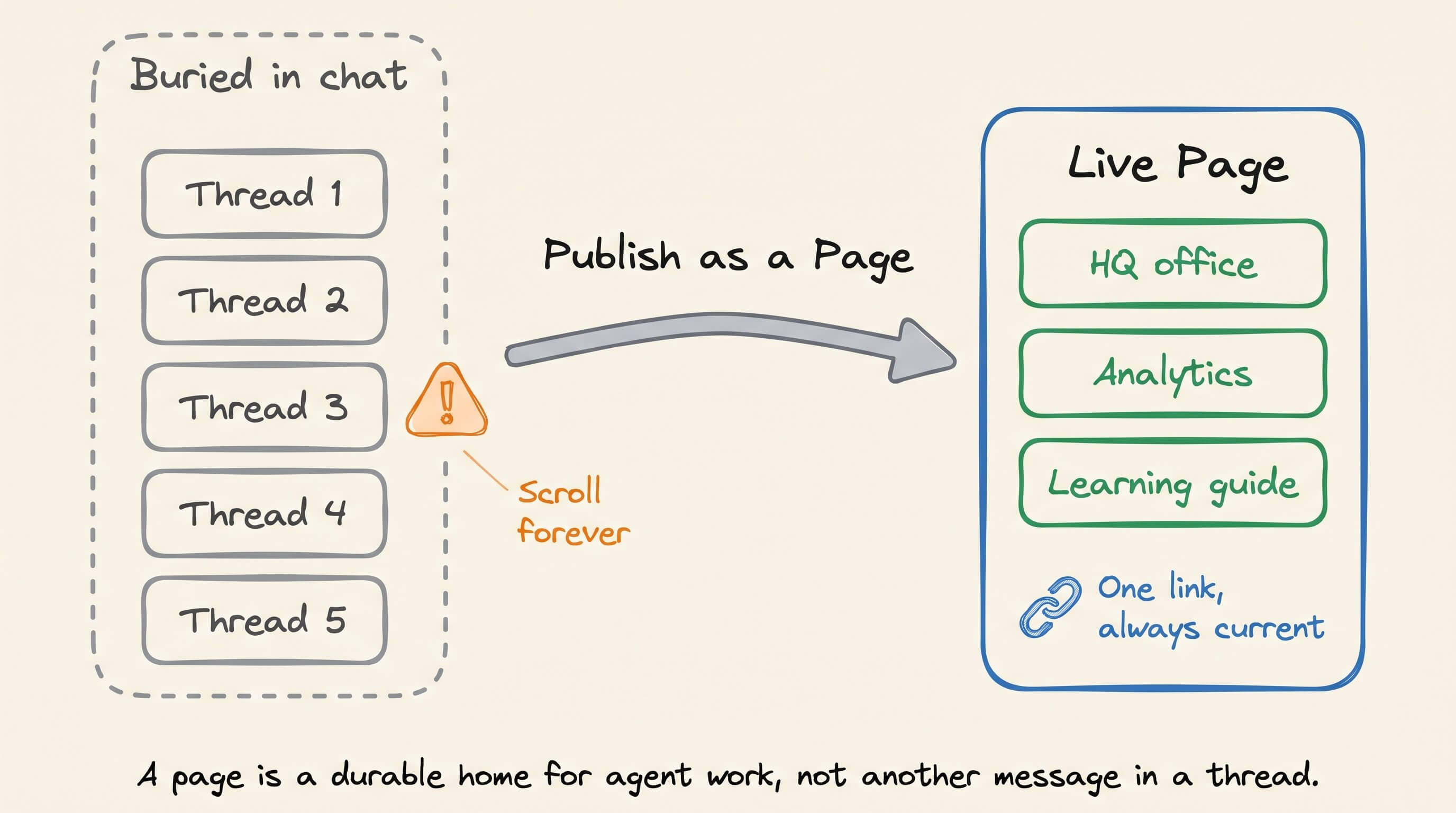
A page is a durable home for agent work, not another message in a thread. A page stays at one address while the bot keeps the content current.
This is what we cover in the video:
00:00 - HQ office walkthrough
01:42 - What a Page is
02:04 - Notion board and routine
02:57 - Custom X analytics page
04:01 - Interactive learning guide
04:24 - Share, browser, and mobile
04:51 - Projectile demo
05:16 - Wrap-up
Pages do not replace the bots. They give the bots a place to publish work that you can reopen without digging through chat.
If you want the broader org setup behind this demo, our earlier Grok Bot masterclass covers how the 14-bot team is structured.
Watch the Grok Bot masterclass here →
👉 Over to you: Would you rather give your bots a live HQ page, or a local video-search page first?
Chat with video using EmbeddingGemma 2 (100% local)
We built a local chat interface that finds matching frames from a text query and jumps to their timestamps.
EmbeddingGemma 2 from Google DeepMind maps text, images, video, and audio into one shared vector space. That is what makes a natural-language query able to retrieve a video moment.
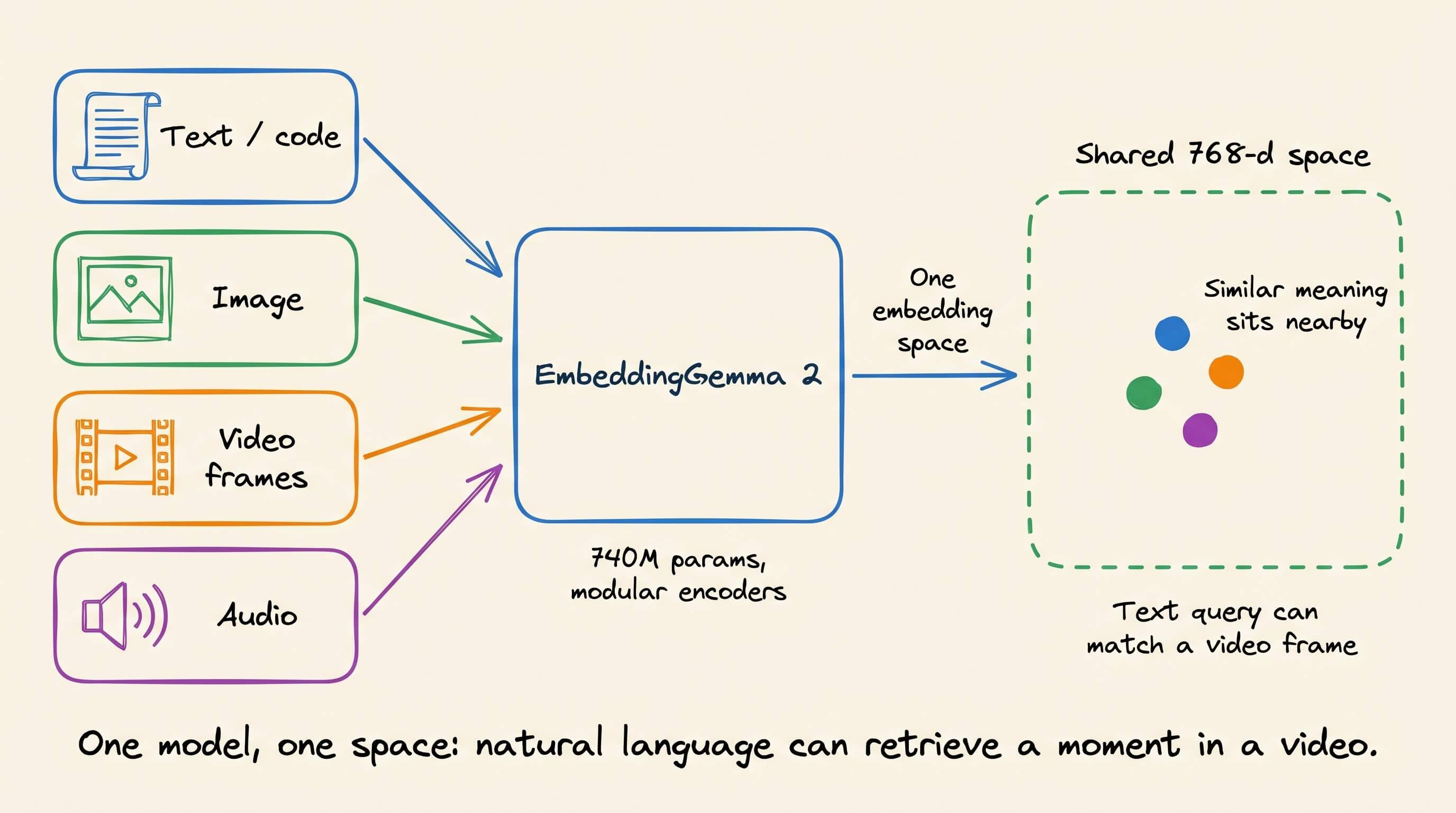
The model has about 740M parameters in full multimodal form, with modular text, vision, and audio encoders. Native Rust ports for local inference already exist.
Unsloth also ships a 176 MB, 4-bit GGUF for text embeddings. That checkpoint does not include the full multimodal pipeline, so video search still needs the vision path.
We indexed a 60-second video on an Apple M3 Pro over CPU:
Indexing took 29 seconds
Search took 25 ms on average across 9 queries
The saved frame vectors occupied 180 KiB
The expensive step happens once. Each later search embeds the query and compares it with the saved frame vectors. Nothing leaves the laptop.
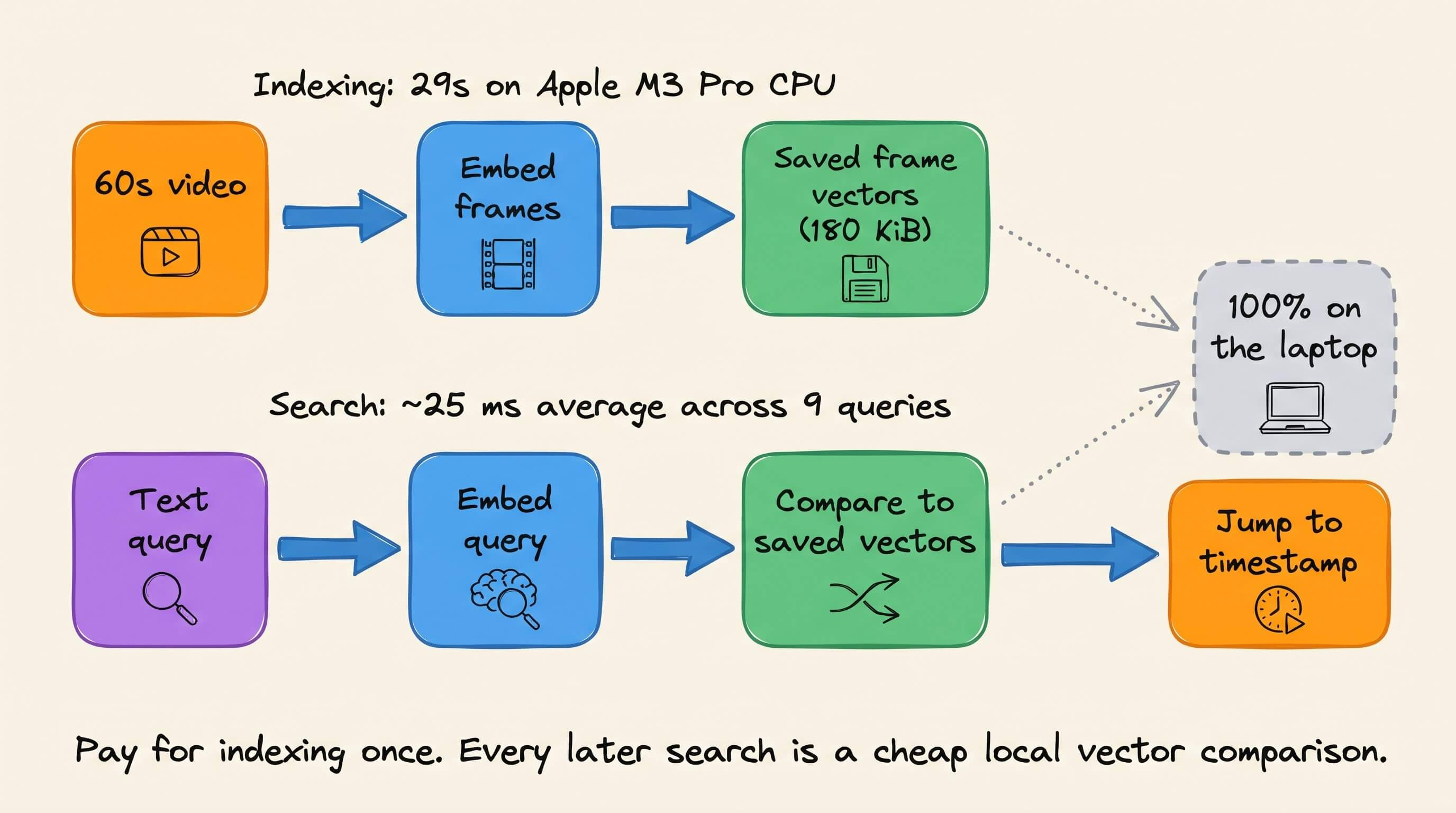
Pay for indexing once. Every later search is a cheap local vector comparison.
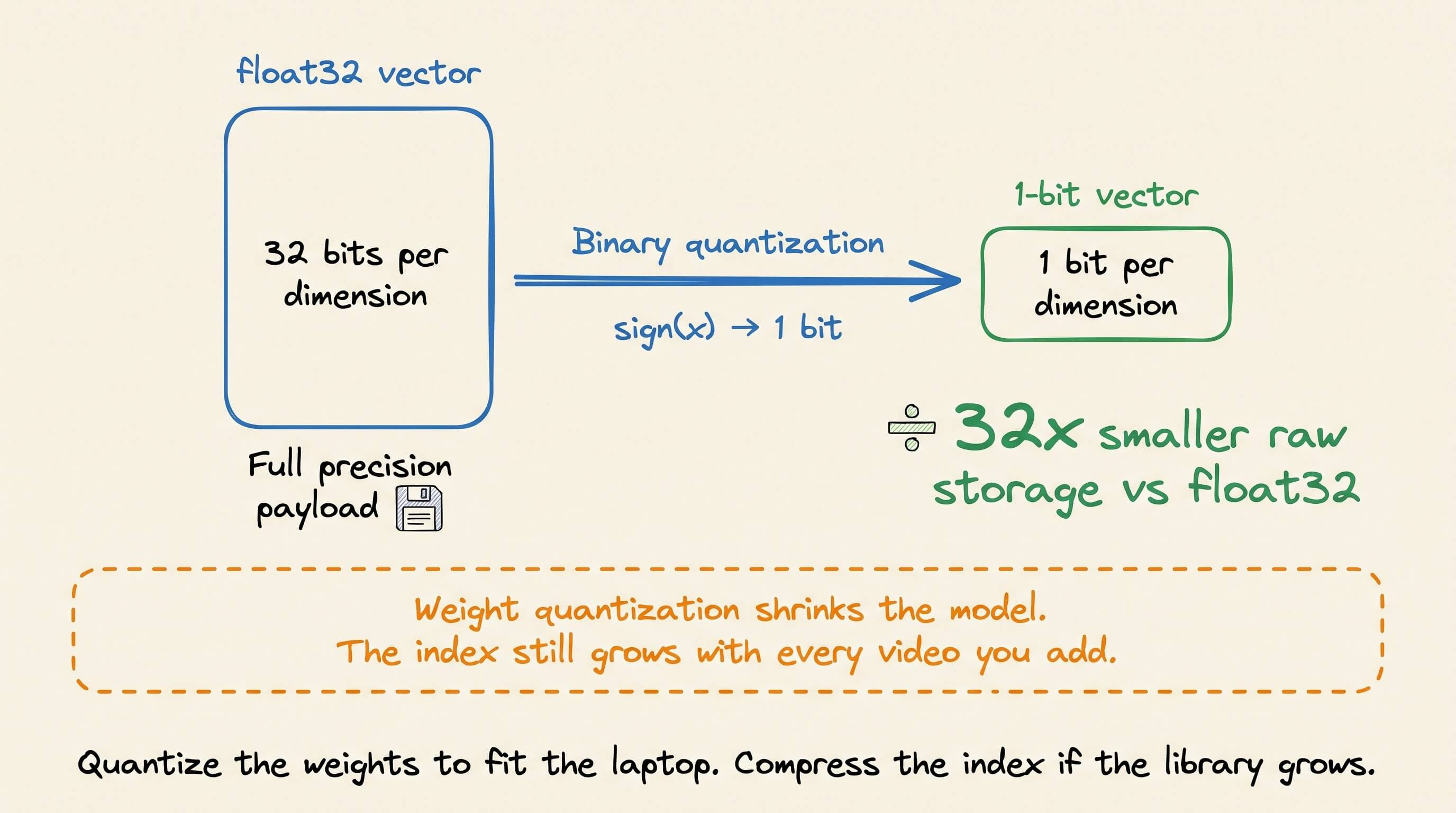
Model quantization shrinks the weight memory. The retrieval index is a separate cost, and it grows as you add videos.
To cut that index cost, store vectors with one bit per dimension instead of float32. That is a 32x reduction in the raw vector payload, and we covered a full retrieval implementation in our binary quantization article.
Read the binary quantization breakdown here →
Good day!