

ZeroClaw: The Lightweight OpenClaw Alternative, Powered by Ollama
OpenClaw is a solid project, but it is resource-intensive. Over 1 GB of RAM just to get started, and the startup time reflects that.
ZeroClaw is an open-source AI agent framework built entirely in Rust that compiles down to a 3.4 MB binary with sub-second cold starts and runs comfortably on a Raspberry Pi.
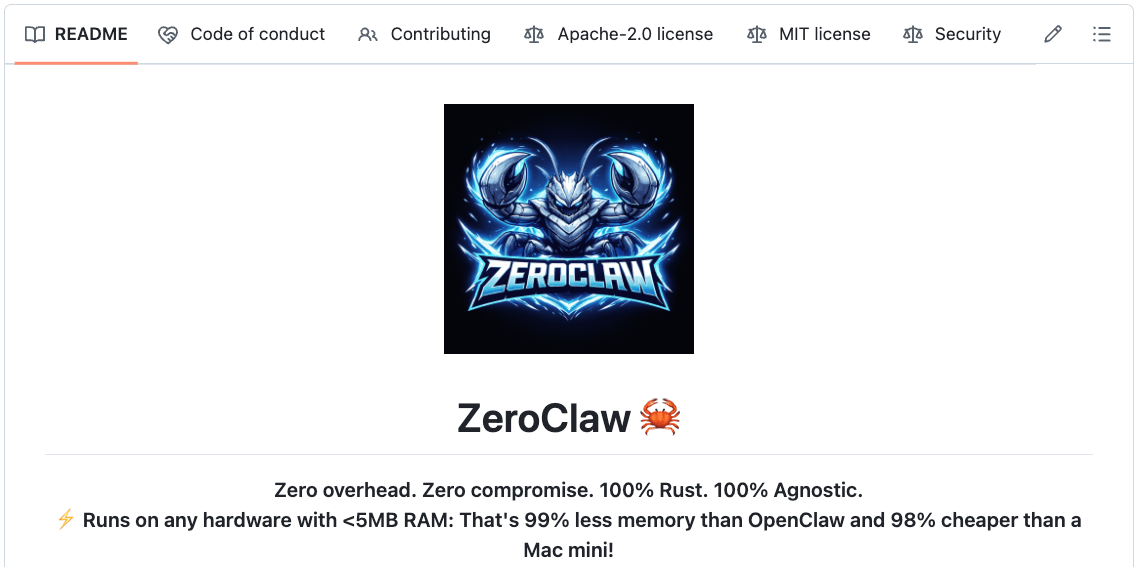
It supports 22+ providers out of the box, including Ollama for fully local inference, so you can run an autonomous agent with zero API costs.
Swapping providers or messaging channels (Telegram, Discord, Slack, WhatsApp) is just a config change.
The memory system runs on SQLite with built-in vector search, so there’s no need to spin up Pinecone or Elasticsearch alongside it.
We put together a pre-configured Lightning Studio that sets up ZeroClaw + Ollama so you can try it without any setup friction.
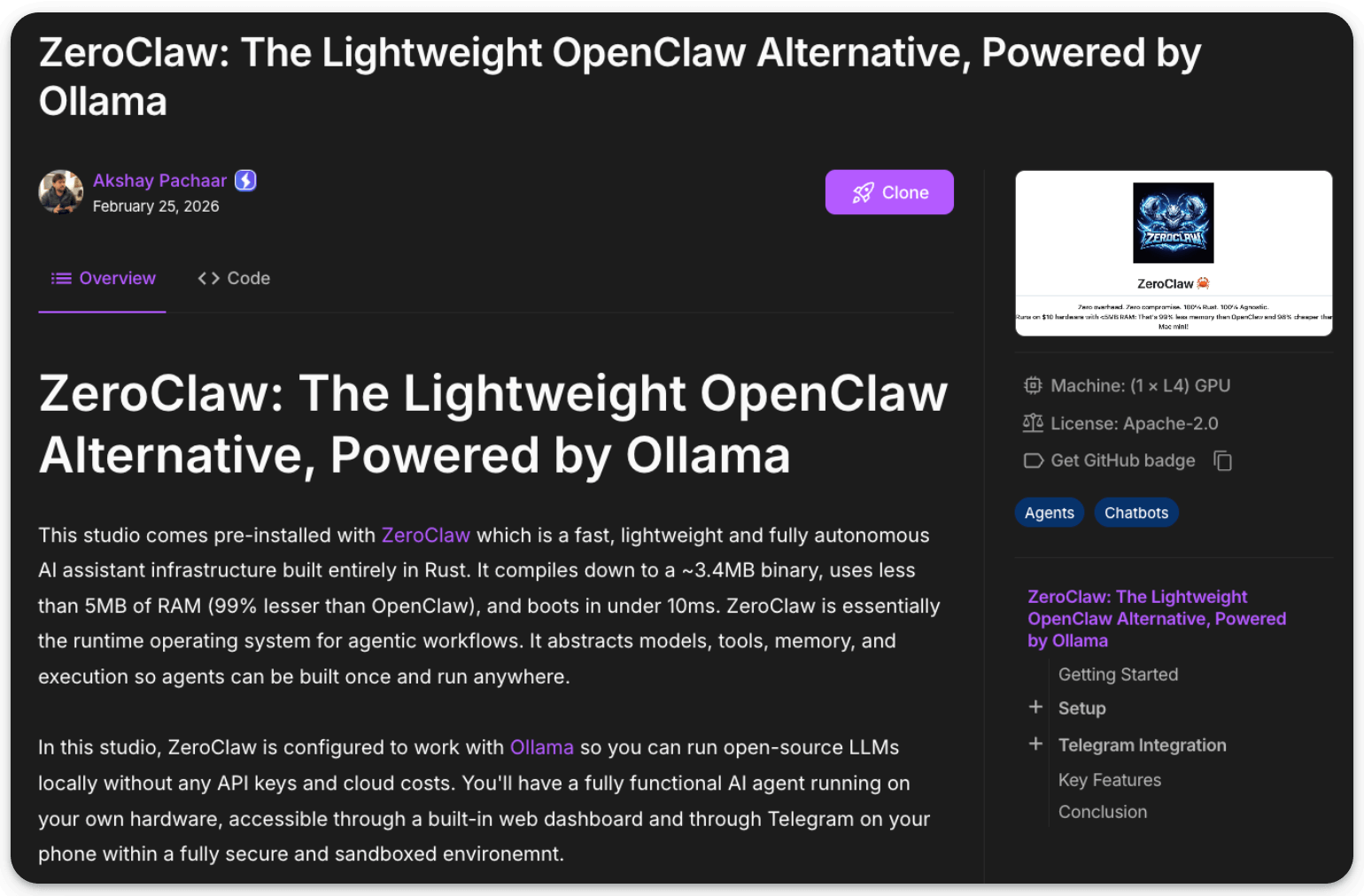
You can find the Studio here →
If you’ve been looking for a lightweight way to run AI agents locally, this is a practical starting point.
Production-grade Error Monitoring Agent
Software engineers are going to love this!
We found an open-source error monitoring agent that scans production logs, finds the root cause, and sends a Slack message with full context before you even notice something broke.
Cuts down production downtime by 95%!
The video below shows this in action:
You can find the code for the error monitoring Agent here →
Here’s how it works:
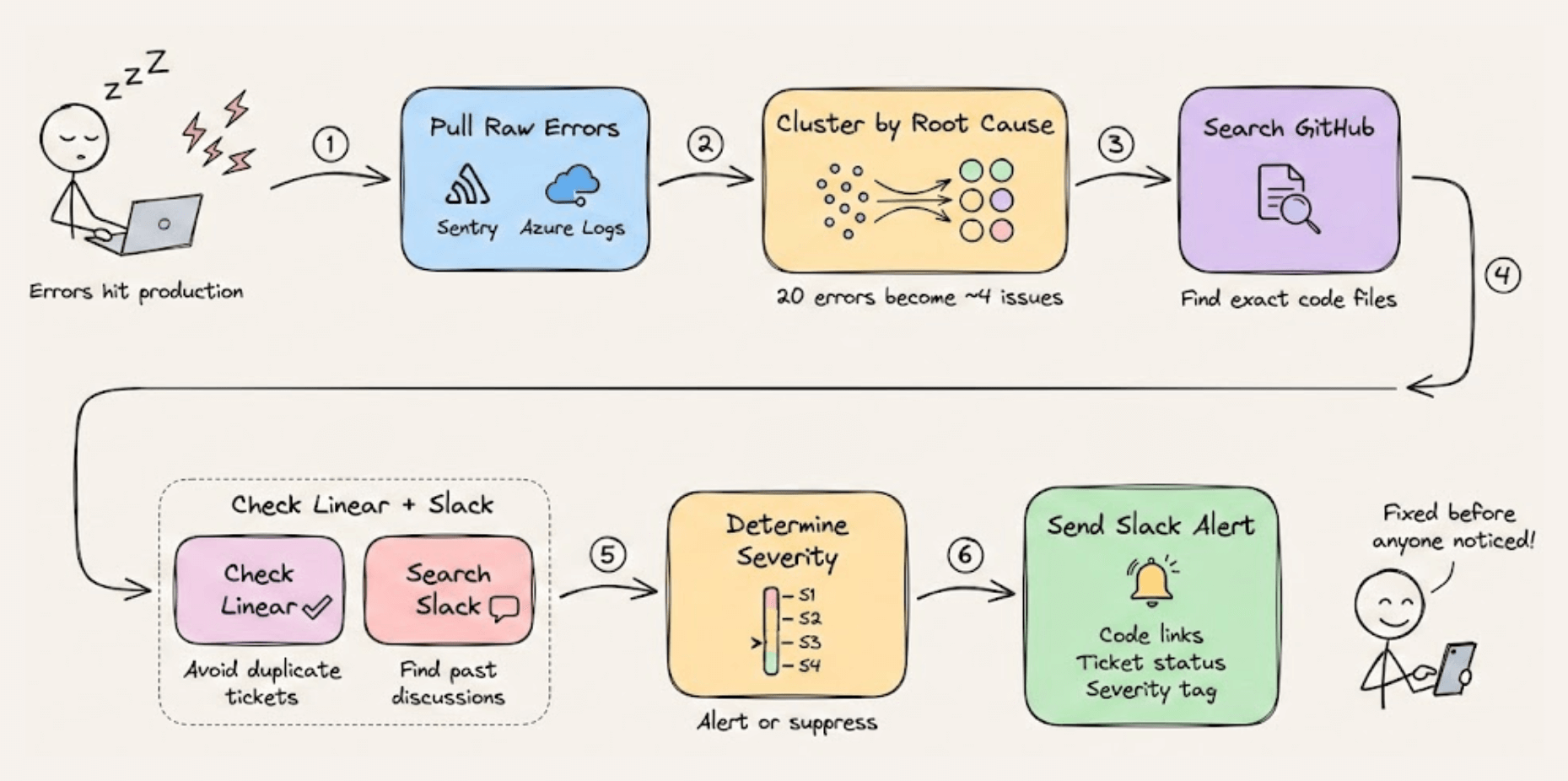
Pulls raw errors from Sentry or Azure Log Analytics
Clusters them semantically by root cause (20 errors become ~4 actual issues)
Searches GitHub for the exact code files involved
Checks Linear for existing tickets to avoid duplicates
Looks through Slack for past discussions about similar issues
Determines severity (S1-S4) and decides whether to alert or suppress
Sends enriched Slack alerts with code links, ticket status, and severity
The agent can run as a cron job every 5 minutes in production.
It’s built on top of Airweave, which is an open-source context retrieval layer that makes all tools semantically searchable for Agents.
The key insight is that error monitoring tools give you alerts but not context. Airweave fills that gap by making all tools/codebases semantically searchable for Agents.
It connects to 50+ sources (GitHub, Linear, Slack, databases, and more) and lets agents search across all of them in a single query.
You can find their GitHub repo here →
P.S. For those wanting to develop “Industry ML” expertise:

At the end of the day, all businesses care about impact. That’s it!
Can you reduce costs?
Drive revenue?
Can you scale ML models?
Predict trends before they happen?
We have discussed several other topics (with implementations) that align with such topics.
Here are some of them:
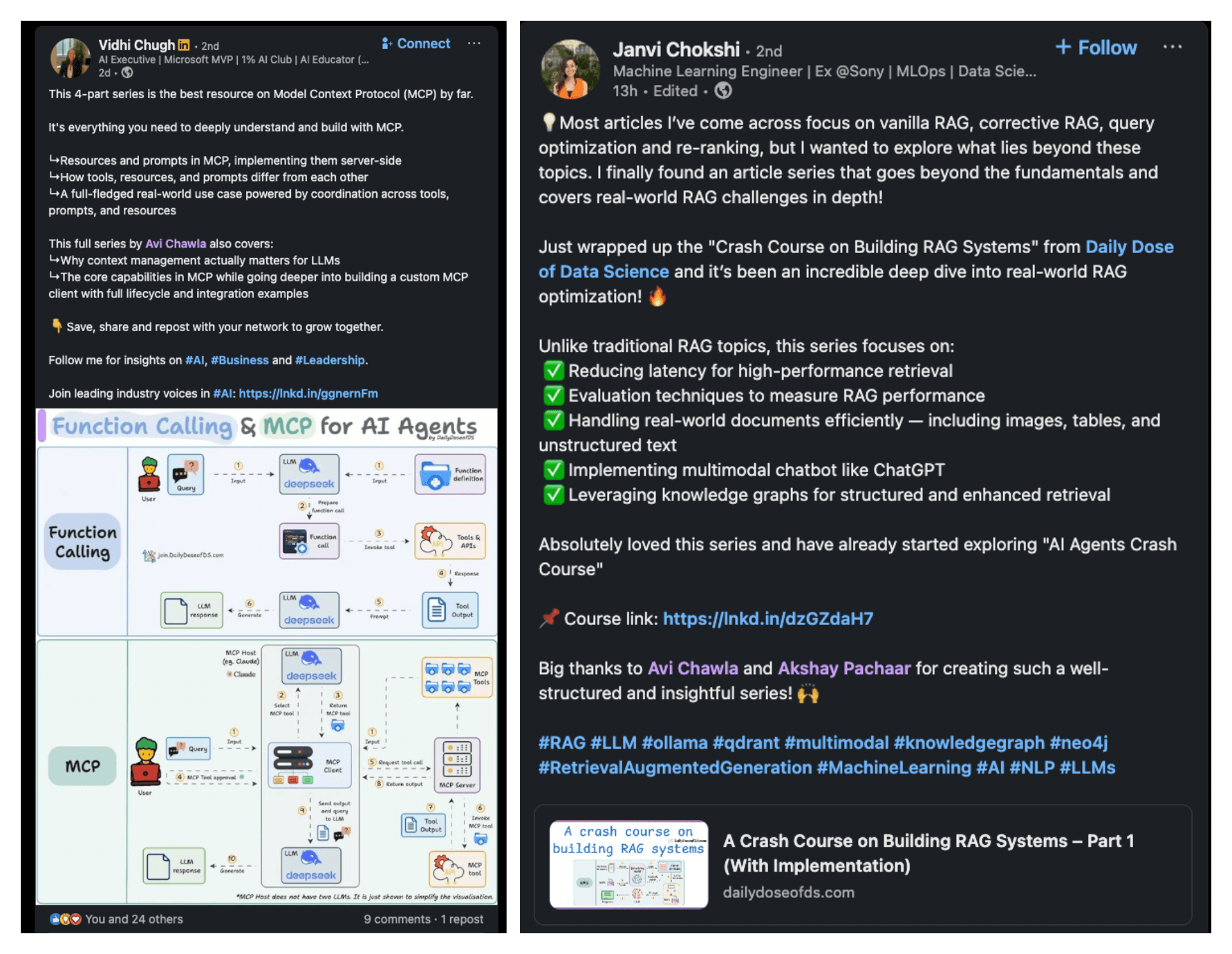
Learn everything about MCPs in this crash course with 9 parts →
Learn how to build Agentic systems in a crash course with 14 parts.
Learn how to build real-world RAG apps and evaluate and scale them in this crash course.
Learn sophisticated graph architectures and how to train them on graph data.
So many real-world NLP systems rely on pairwise context scoring. Learn scalable approaches here.
Learn how to run large models on small devices using Quantization techniques.
Learn how to generate prediction intervals or sets with strong statistical guarantees for increasing trust using Conformal Predictions.
Learn how to identify causal relationships and answer business questions using causal inference in this crash course.
Learn how to scale and implement ML model training in this practical guide.
Learn techniques to reliably test new models in production.
Learn how to build privacy-first ML systems using Federated Learning.
Learn 6 techniques with implementation to compress ML models.
All these resources will help you cultivate key skills that businesses and companies care about the most.