

In today’s newsletter:
Free Observability Engineering Masterclass with Liz Fong-Jones & Honeycomb.
Build a stock market research Agentic workflow.
Double Descent vs. Bias-Variance Trade-off.
[Hands-on] Data version control to build reproducible ML systems.
Free Observability Engineering Masterclass with Liz Fong-Jones & Honeycomb
Honeycomb is running a six-session live masterclass, turning theories from Observability Engineering (2nd Ed.) into practice. This masterclass series is ideal for individual contributors and senior leaders.

It’s taught by Liz Fong-Jones, who co-wrote the O’Reilly book Observability Engineering.
Each session covers one chapter and turns it into something you can use that same week in production:
Aug 3 → Instrument with OpenTelemetry so you capture important bits.
Aug 19 → Learn to wire observability into CI/CD and catch regressions.
Sept 2 → Get your AI work funded when leadership keeps pushing it back
Sept 16 → Set reliability targets that reflect what users actually feel
Sept 30 → Cut your observability bill without losing the data
Oct 14 → Learn Observability in every domain (mobile, data pipelines, ML systems, and IoT)
Live sessions include Q&A with Liz. Recordings and hands-on labs will also be made available after each one.
The first session is this Monday (3rd August).
Register here for free now so that you don’t miss out →
Thanks to Honeycomb for partnering today!
Build a stock market research Agentic workflow
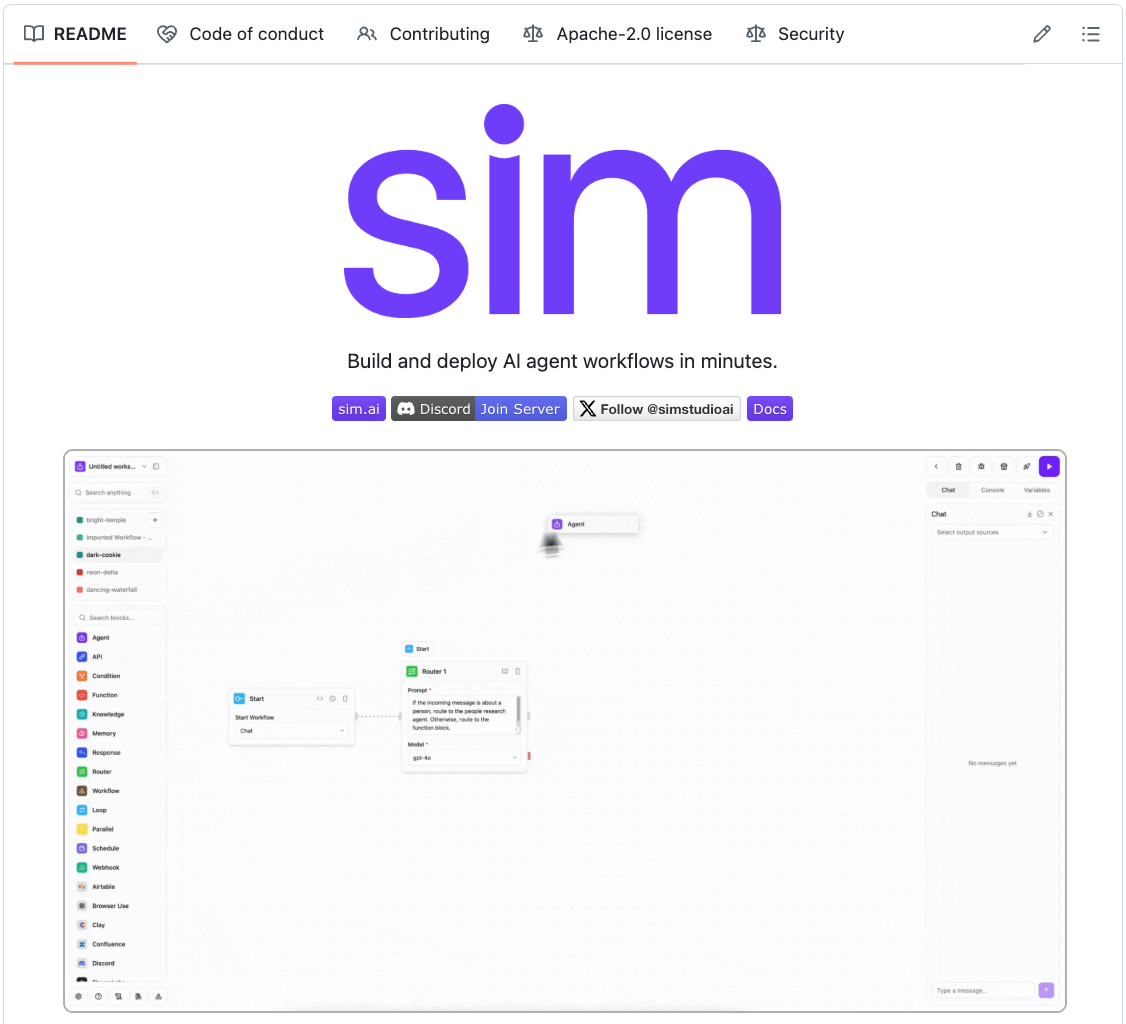
Recently, we talked about Sim, a lightweight, user-friendly framework to build AI agent workflows in minutes.
Key features:
Real-time workflow execution
Connects with your favorite tools
Works with local models via Ollama
Intuitive drag-and-drop interface using ReactFlow
Multiple deployment options (NPM, Docker, Dev Containers)
Based on our testing, Sim is a better alternative to n8n with:
An intuitive interface
A much better copilot for faster builds
AI-native workflows for intelligent agents
We used it to build a stock market research agent & connected it to Telegram in minutes.
Tech stack:
Alpha-Vantage MCP to access stock market data
Docker to locally host everything
The video at the top provides a step-by-step guide along with all the setup instructions.
You can also find all the details in Sim’s GitHub repository.
GitHub repo → (don’t forget to star)
Double Descent vs. Bias-Variance Trade-off
It is well-known that as the number of model parameters increases, the model gradually overfits the data.
For instance, consider fitting a polynomial regression model trained on this dummy dataset below:
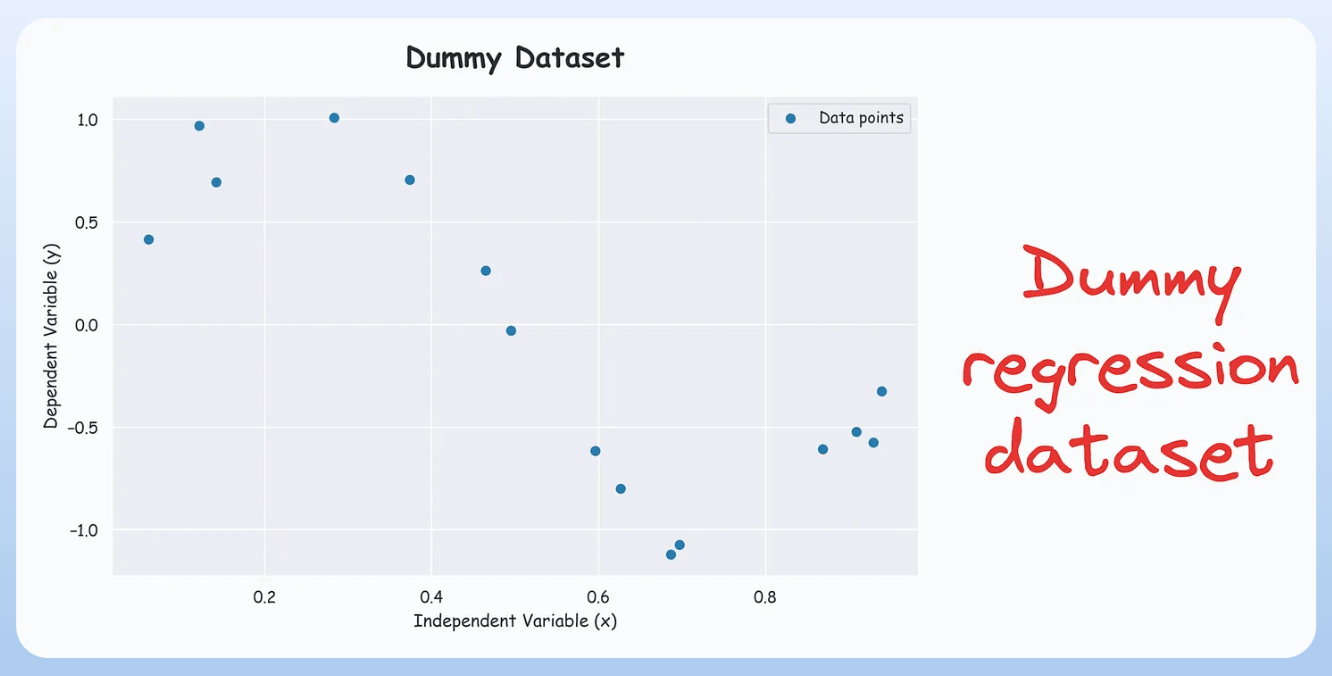
In case you don’t know, this is called a polynomial regression model:

Here, as we’ll increase the degree (m):
The training loss will get closer to zero.
The test (or validation) loss will first decrease and then increase.
This is also evident from the following loss plot:

But notice what happens when you continue increasing the degree (m):

Why does the test loss increase to a certain point but then decrease again?
What you see here is called the “double descent phenomenon,” and it is commonly observed in many deep learning models.
It depicts that increasing the model complexity beyond the point of interpolation can improve generalization performance.
And it’s hard to fathom since it challenges the traditional bias-variance trade-off:
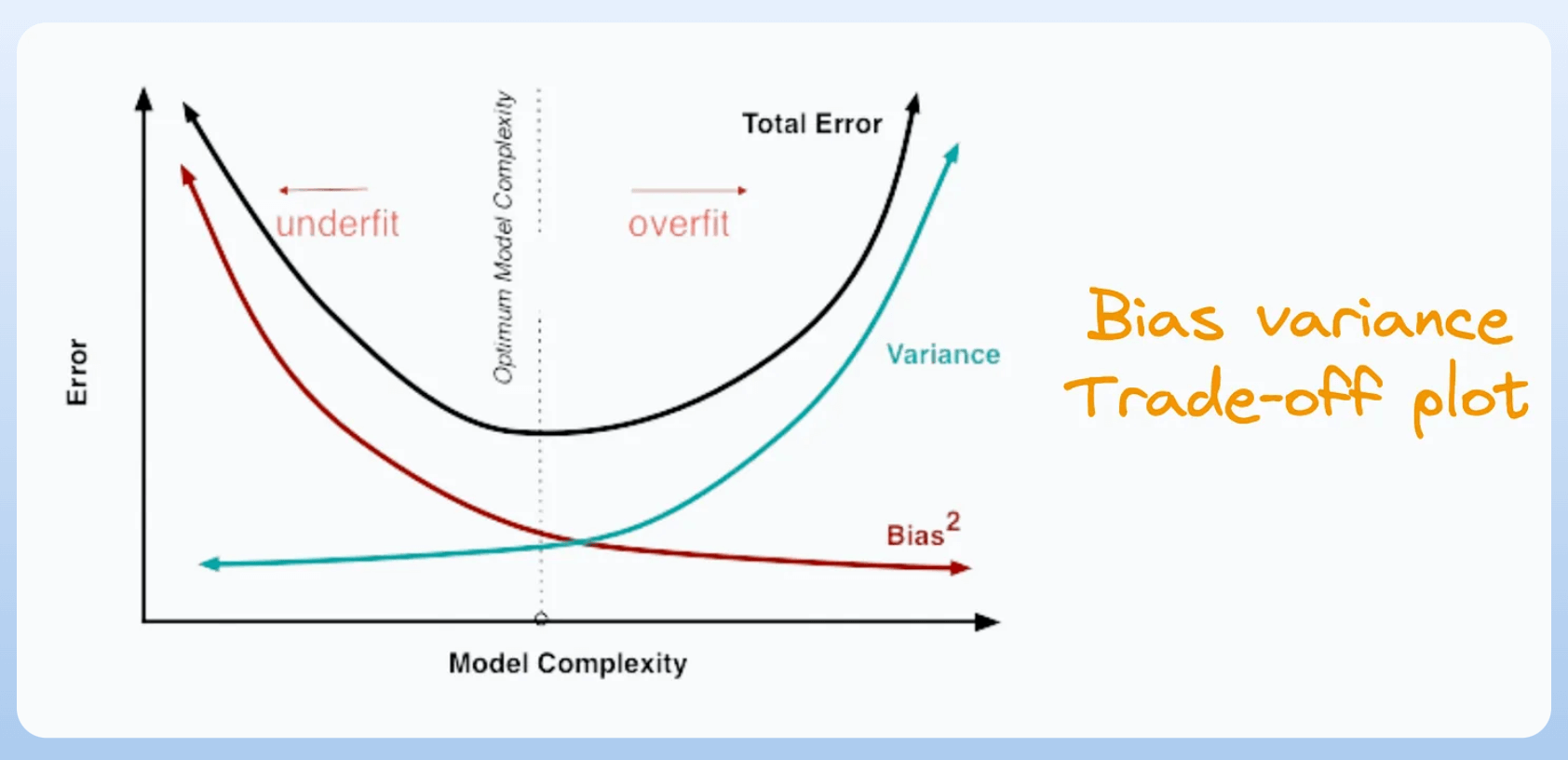
To the best of our knowledge, this is still an open question, and it isn’t entirely clear why neural networks exhibit this behavior.
Some theories suggest that the model applies an implicit regularization that allows it to precisely focus on an apt number of parameters for generalization.
You can actually try it yourself:
Create a small dummy dataset of size n.
Train a polynomial regression of degree m, starting from 1 to a value greater than n.
Plot the test loss and training loss for each m.
👉 Over to you: What do you think about the possible causes?
Data Version Control
Versioning GBs of datasets is practically impossible with GitHub because it imposes an upper limit on the file size we can push to its remote repositories.
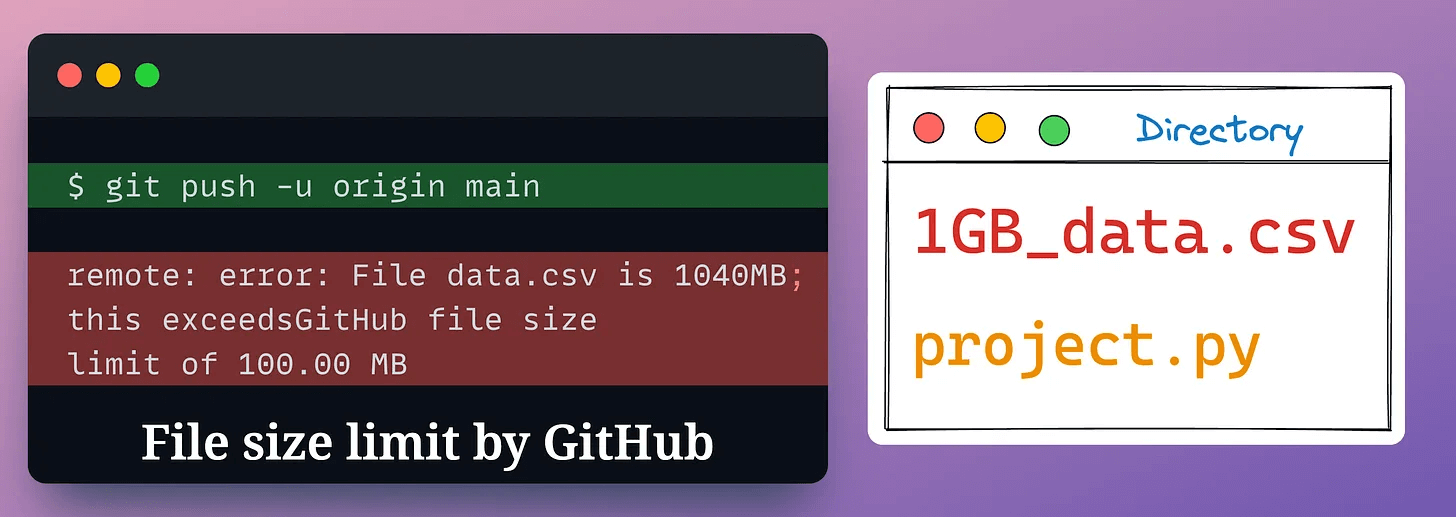
That is why Git is best suited for versioning a codebase, which is primarily composed of lightweight files.
However, ML projects are not solely driven by code.
Instead, they also involve large data files, and across experiments, these datasets can vastly vary.
To ensure proper reproducibility and experiment traceability, it is also necessary to version datasets.
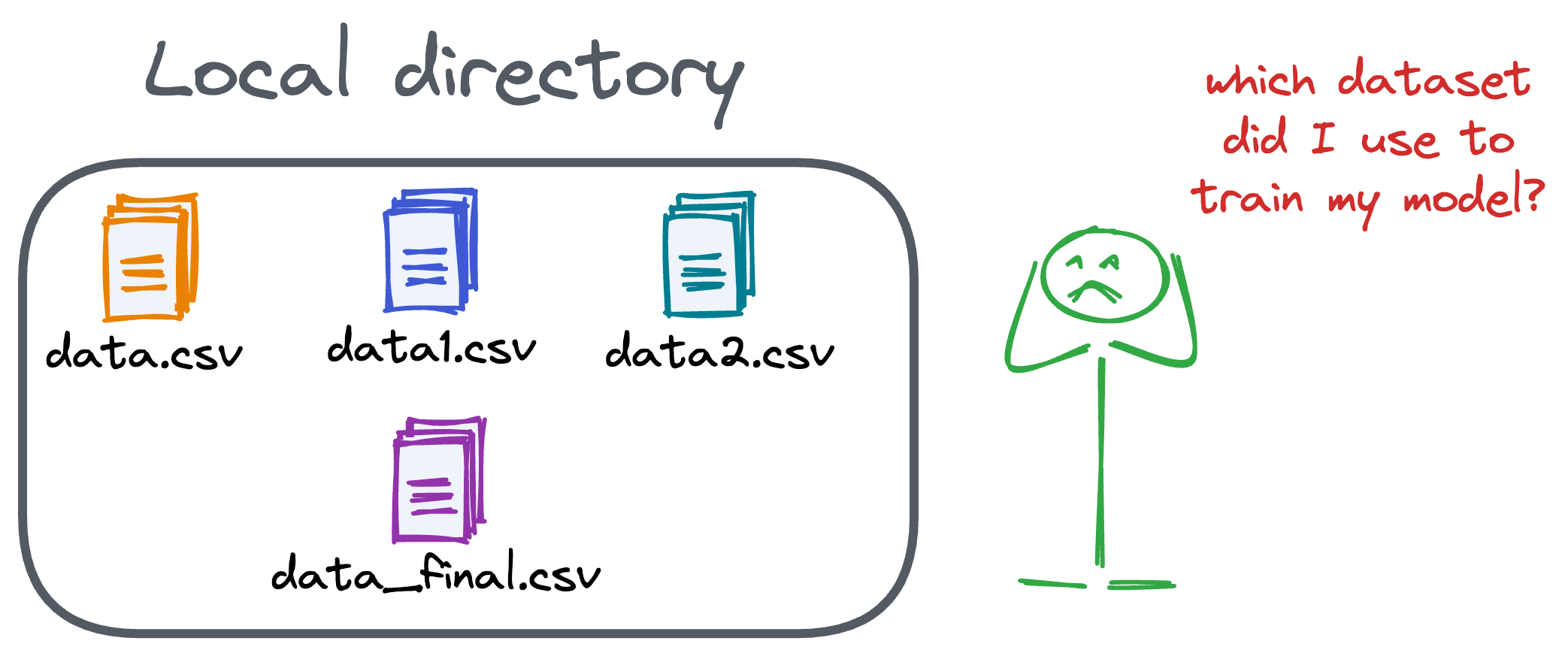
Data version control (DVC) solves this problem.
The core idea is to integrate another version controlling system with Git, specifically used for large files.
Here’s everything you need to know (with implementation) about building 100% reproducible ML projects →
Good day!


